
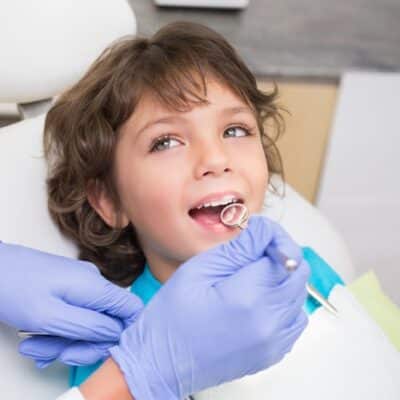
 Dental sealants are thin, plastic coating painted on the chewing surfaces of the premolars or molars in patients. Sealants quickly bond to the surface of the tooth, filling in the grooves to provide a protective barrier against decay. Brushing and flossing are excellent ways to remove food particles and plaque from the smooth surfaces of teeth. They provide that extra protection in the grooves and depressions of teeth where brushing and flossing might miss.
They require a simple procedure in which a tooth-colored acrylic “coating” is painted onto the surface of the tooth. This effectively “seals” the deep grooves acting as a barrier, and protecting enamel from plaque and acids.
There are many benefits to sealant treatment. Most often they are used in children, but adults with decay can benefit from them as well. Typically, children should get them on their permanent molars and premolars as soon as these teeth erupt.
- Sealants protect the depressions and grooves of your teeth from food particles and plaque that brushing and flossing can’t reach.
- Easy to apply, they take only a few minutes to seal each tooth.
- Sealants hold up well under the force of normal chewing and can last several years before a reapplication is needed.
- Sealants are more affordable and less invasive to prevent cavities than it is to treat irreversible dental decay.
- Sealants are white or clear in color, making them virtually invisible when talking, smiling or eating.
- Children benefit from sealants in the fight against tooth decay
Understanding Dental Sealants
Dental sealants are a thin, plastic coating applied to the chewing surfaces of premolars and molars. These sealants bond quickly to the tooth surface, filling in grooves to create a protective barrier against decay. While brushing and flossing effectively remove food particles and plaque from the smooth surfaces of teeth, sealants provide extra protection in the grooves and depressions where brushing and flossing might miss.
The Simple Application Process
Applying dental sealants is a straightforward procedure. A tooth-colored acrylic coating is applied to the tooth’s surface, creating an effective seal over the deep grooves. This barrier protects the enamel from plaque and acids, preventing tooth decay.
Who Benefits from Dental Sealants?
Dental sealants offer numerous benefits, making them suitable for both children and adults. They are most commonly used in children, but adults with decay can also benefit. Typically, children should receive sealants on their permanent molars and premolars as soon as these teeth erupt to ensure optimal protection against decay.
Advantages of Dental Sealants
Enhanced Protection: Sealants shield the depressions and grooves of your teeth from food particles and plaque that brushing and flossing might miss.
Quick Application: The application process is quick, taking only a few minutes to seal each tooth.
Durability: Sealants hold up well under the force of normal chewing and can last several years before needing reapplication.
Cost-Effective: Sealants are a more affordable and less invasive option for preventing cavities compared to treating irreversible dental decay.
Discreet Appearance: Sealants are white or clear, making them virtually invisible when talking, smiling, or eating.
Child-Friendly: Children benefit significantly from sealants in the fight against tooth decay.
Cavity-Prone Years
Sealants are especially beneficial during the cavity-prone years of ages 6 to 14. Applying sealants during these years provides an added layer of protection when children’s oral hygiene routines may still be developing. By safeguarding the teeth during this critical period, sealants help maintain healthy smiles as children grow and their oral care habits improve.
Painless and Quick Procedure
The application process of dental sealants is not only quick but also painless. First, the tooth is cleaned and dried. Next, an acidic gel is applied to roughen up the chewing surface, allowing the sealant to adhere better. After a few seconds, the gel is rinsed off, the tooth is dried again, and the sealant is painted onto the tooth enamel. A special curing light is used to harden the sealant, creating a durable protective shield.
Proactive Dental Care
Sealants are a proactive approach to dental care. By opting for sealants, you are investing in preventive care that can save time, money, and discomfort associated with future dental procedures. This proactive measure not only prevents cavities but also promotes a lifetime of healthier teeth, reducing the likelihood of more invasive treatments down the line.
Combining Sealants with Good Oral Hygiene
While sealants are highly effective, they work best in conjunction with regular dental hygiene practices. Brushing twice a day, flossing daily, and maintaining routine dental check-ups are crucial for comprehensive oral health care. Sealants are an added layer of defense, but maintaining a robust oral care routine is essential for optimal dental health.
Comprehensive Dental Care at Hooper General & Cosmetic Dentistry
At Hooper General & Cosmetic Dentistry, we are committed to providing comprehensive dental care that includes preventive measures like sealants. Our team is dedicated to educating patients on the importance of preventive care and ensuring they have access to treatments that promote long-term oral health. Contact us today to learn more about how dental sealants can benefit you and your family.
Dental Sealants: Contact Us Today
Sealants can protect teeth from decay for up to 10 years, but they need to be checked for chipping or wearing at regular dental check-ups. Your dentist can replace them as necessary. Hooper General & Cosmetic Dentistry works hard to ensure our patients have all the tools they need for a lifetime of great dental health. Schedule an appointment for your child by calling (757) 417-7300.


