
Hooper Dentistry cautions our patients about the dangers of nail-biting on their teeth. Nail-biting is one of the so-called “nervous habits” triggered by stress, excitement, or boredom. Experts say that about thirty percent of children and fifteen percent of adults are nail biters; however, most will stop chewing their nails by the time they turn thirty.
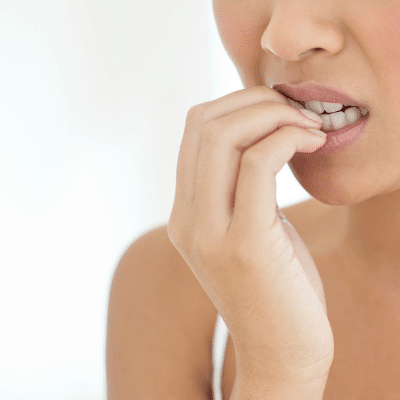 Here are four dental and general reasons to stop biting your nails:
- It’s unsanitary. Your nails harbor bacteria and germs, and they are almost twice as dirty as your fingers. Moreover, swallowing dirty nails can lead to stomach problems.
- It wears down your teeth. Biting your nails can put added stress on your pearly whites, leading to crooked teeth.
- It can delay your orthodontic treatment. For those wearing braces, nail biting puts additional pressure on and weakens roots.
- It can cost you, literally. Our friends at the Academy of General Dentistry estimate up to $4,000 in extra dental bills over a lifetime.
Hooper Dentistry recommends the following to kick your nail-biting habit:
- Keep your nails trimmed short; you’ll have less of a nail to bite.
- Coat your nails with bitter-tasting nail polish.
- Ask us about obtaining a mouth guard, which can help prevent nail-biting.
- Pt a rubber band around your wrist and snap it whenever you get the urge to bite your nails.
- Think about when and why you chew your nails. Whether you are nervous or bored, understanding the triggers can help you find the solution to stop.
If none of these remedies work for your child, please ask your provider for more options. Our doctors and team at Hooper Dentistry are happy to help your child find a solution to the nail-biting during your next appointment.
Nail-Biting and Its Impact on Gum Health
Nail-biting doesn’t just affect your teeth; it can also harm your gums. The constant biting and pressure can cause gum tissue damage, leading to soreness, bleeding, or even infection. The bacteria transferred from your nails to your gums can exacerbate these issues, increasing the risk of periodontal disease. Regular dental check-ups are essential to monitor and address any gum health issues that may arise from nail-biting.
The Psychological Aspect of Nail-Biting
Nail-biting often serves as a coping mechanism for stress, anxiety, or boredom. Recognizing the psychological triggers behind the habit can be crucial for effectively addressing it. Techniques such as mindfulness, stress management, and cognitive-behavioral therapy (CBT) can be helpful in overcoming nail-biting. Engaging in alternative stress-relief activities, such as exercise or hobbies, can also provide a positive outlet and reduce the urge to bite your nails.
Alternatives to Nail-Biting for Stress Relief
Finding healthier alternatives to manage stress can significantly reduce nail-biting. Activities like deep breathing exercises, meditation, or journaling can help alleviate anxiety and provide a sense of calm. Additionally, incorporating physical activities such as walking, yoga, or playing a sport can serve as effective stress relievers. By replacing nail-biting with these positive habits, individuals can improve their overall well-being and protect their dental health.
Importance of Regular Dental Check-Ups
Routine dental visits are vital for detecting and addressing the effects of nail-biting on your teeth and gums. Regular check-ups allow your dentist to assess any damage caused by nail-biting and recommend appropriate treatments. Early intervention can help prevent more serious dental issues and ensure that any damage is repaired promptly. At Hooper Dentistry, we are committed to providing comprehensive care and support to help you maintain optimal oral health.
Educating Children About Nail-Biting and Teeth
If your child is struggling with nail-biting, it’s important to educate them about the potential dental and health risks associated with the habit. Discussing the consequences in a way that is age-appropriate can help them understand why it’s important to stop. Positive reinforcement, such as praise for not biting their nails, can also motivate them to break the habit. Encouraging open communication and providing support can make the process of quitting nail-biting more manageable for children.
Nail-Biting and Teeth: Contact Us Today
Hooper General and Cosmetic Dentistry combines the finest dental care with a compassionate, patient-centered approach. We are dedicated to the lifetime preventive care of your teeth and oral health. If you are concerned with securing superior oral care for yourself or other aging patients, please contact us at 757-417-7300 or request an appointment online.


