
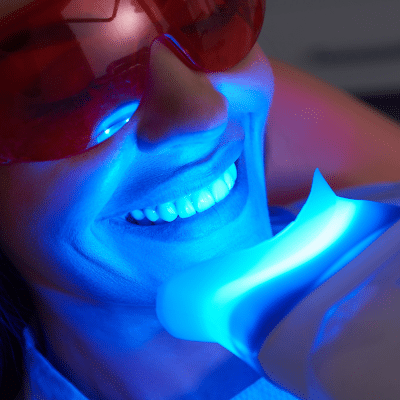
 A dazzling, white smile is a goal for many, making teeth whitening one of the most sought-after cosmetic dental procedures today. Whether it’s an in-office procedure, a take-home kit, or over-the-counter whitening products, the idea of easily brightening your smile is very appealing. However, a common concern that often holds people back is the fear that teeth whitening can damage their enamel. At Hooper General & Cosmetic Dentistry in Virginia Beach, VA, we’re here to separate fact from fiction and debunk some of the most common teeth whitening myths surrounding enamel health.
Understanding Tooth Enamel
Before diving into these teeth whitening myths, it’s helpful to understand what tooth enamel is and why it’s important. Enamel is the tough, outermost layer that shields your teeth. It’s the strongest substance in the human body and acts as a shield against decay and physical damage. Because enamel is not living tissue, it doesn’t regenerate once it’s worn away or damaged, which is why protecting it is crucial.
Teeth Whitening Myths Debunked
Myth #1: Teeth Whitening Strips and Gels Strip Away Enamel
One of the biggest fears—and a common entry in many teeth whitening myths lists—is that whitening products, especially those containing peroxide, will wear down enamel. The truth is, professional teeth whitening products use controlled concentrations of bleaching agents such as hydrogen peroxide or carbamide peroxide, which penetrate the enamel to break down stains but do not erode or strip away the enamel itself.
However, overuse or misuse of whitening products, particularly strong at-home kits or unregulated over-the-counter products, can cause tooth sensitivity or irritation of the gums. But this does not equate to enamel erosion. When used properly under dental supervision, whitening treatments are safe and won’t damage enamel. This is an important fact to know to counter one of the most persistent teeth whitening myths.
Myth #2: Whitening Makes Teeth More Porous and Weaker
Another misconception that appears frequently in teeth whitening myths is that whitening makes teeth more porous, thus weakening them. While bleaching agents temporarily open the pores of the enamel to remove stains, this effect is short-lived and does not compromise the structural integrity of your teeth. In fact, the slight increase in enamel porosity reverses quickly after treatment, and the enamel remains as strong as before.
If you notice increased sensitivity after whitening, it’s usually a temporary side effect that fades within a few days. This sensitivity happens because the bleaching agents can penetrate slightly into the dentin (the layer beneath enamel), but it’s not a sign of permanent damage—a fact often misunderstood in many teeth whitening myths.
Myth #3: All Teeth Whitening Products Are Equally Safe
One of the more misleading teeth whitening myths is that all whitening products are equally safe. In reality, professional treatments performed at Hooper General & Cosmetic Dentistry are carefully formulated and customized to your specific dental needs, ensuring maximum safety and effectiveness. Over-the-counter products vary widely in their quality, concentration and safety standards. Some may contain abrasive ingredients that can wear down enamel if used excessively.
It’s important to consult Dr. Hooper before starting any whitening regimen. A dental professional can recommend the best products and procedures tailored to your oral health, minimizing risks and optimizing results. Ignoring this advice feeds into many common teeth whitening myths.
How to Protect Your Enamel While Whitening
While professional teeth whitening is safe, there are steps you can take to protect your enamel throughout the process. Debunking these teeth whitening myths also means knowing how to care for your teeth before, during and after whitening treatments:
- Choose Professional Whitening: Opt for treatments supervised by dental professionals. This ensures correct usage and minimizes risks.
- Follow Instructions Carefully: Whether using at-home kits or over-the-counter products, strictly follow the manufacturer or dentist’s guidelines.
- Avoid Excessive Whitening: Over-bleaching can lead to sensitivity and gum irritation. Stick to recommended treatment durations and frequency.
- Maintain Good Oral Hygiene: Brush twice daily with a fluoride toothpaste and floss regularly to keep enamel strong and healthy.
- Limit Acidic Foods and Drinks: Acidic beverages like soda, citrus juices and wine can soften enamel temporarily. Try to reduce consumption, especially right after whitening.
- Use a Soft-Bristled Toothbrush: Aggressive brushing with hard bristles can wear down enamel over time.
Understanding and following these guidelines helps bust many persistent teeth whitening myths about enamel damage.
When Whitening Might Not Be Right for You
Certain dental conditions may make whitening unsafe or less effective. For example, if you have:
- Worn enamel or enamel erosion
- Sensitive teeth or gums
- Dental restorations like crowns or veneers (which don’t whiten)
- Untreated cavities or gum disease
It’s essential to address these issues first. Dr. Hooper at Hooper General & Cosmetic Dentistry will evaluate your oral health and recommend the safest cosmetic options. This approach helps avoid common pitfalls and false assumptions often found in teeth whitening myths.
Final Thoughts: Whitening Can Be Safe and Effective
Teeth whitening is a safe, effective way to enhance your smile when done correctly. The myth that whitening damages enamel is largely unfounded, especially when professional products and procedures are used. At Hooper General & Cosmetic Dentistry in Virginia Beach, VA, we prioritize your oral health and ensure that any whitening treatment enhances your smile without compromising enamel or overall dental health.
Request Your Appointment in Virginia Beach, VA Today
If you’re considering whitening your teeth and want expert advice or treatment tailored specifically to you, request your appointment today. Let us help you achieve a brighter smile safely and confidently—free from the confusion caused by common teeth whitening myths!


